Latest posts
-
Why some cities grow faster than others: key economic and social factors
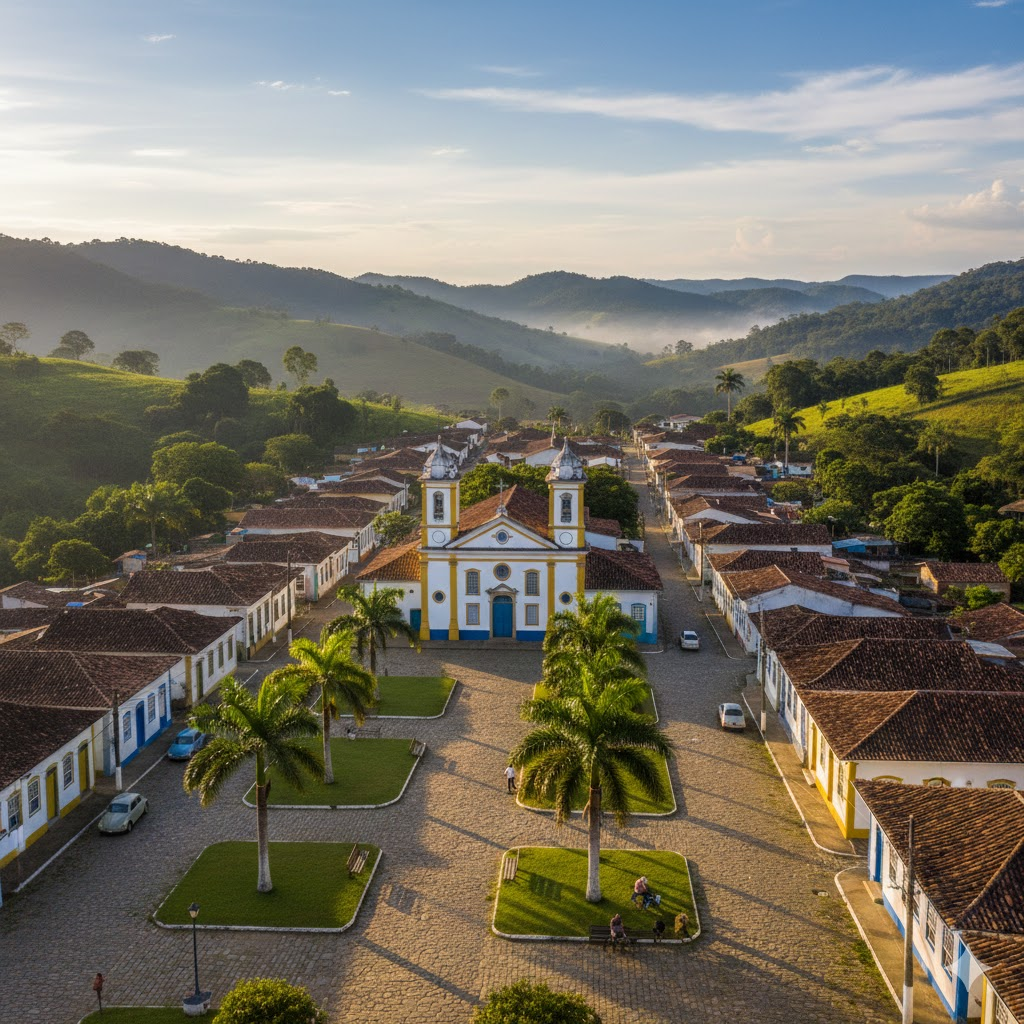
Urban growth is not a random process. While some cities expand rapidly, attracting people, businesses, and investment, others remain stagnant or grow at a much slower pace. This uneven development can be observed in many countries, including Brazil, where cities like São Paulo, Campinas, and Curitiba have experienced different growth trajectories over time. Understanding why
-
How Brazilian cities are administratively organized
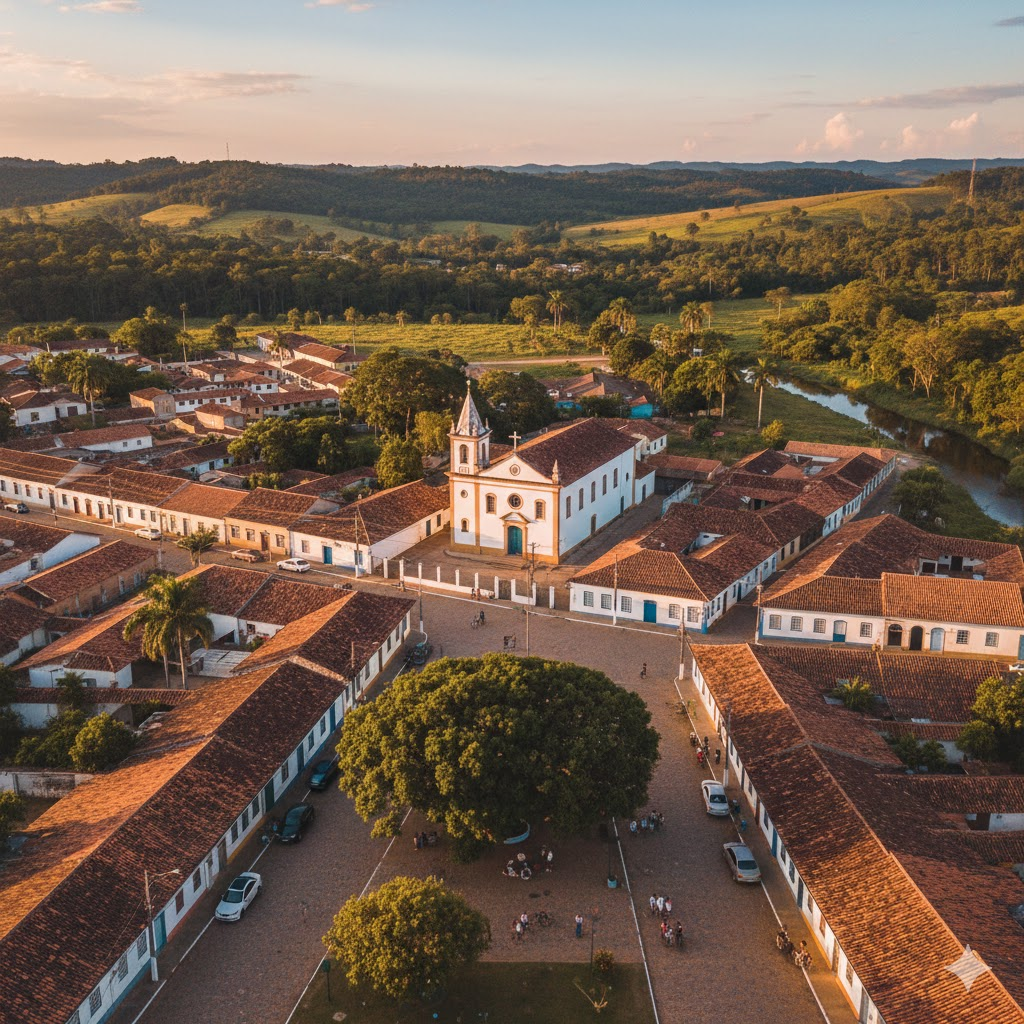
Brazil has a unique and complex administrative structure that directly affects how its cities function, grow, and provide services to their residents. For those unfamiliar with the country, the way Brazilian cities are organized can be confusing, especially because concepts like município, city, and capital do not always match definitions used in other countries. Understanding
-
Difference between município, city and capital in Brazil explained
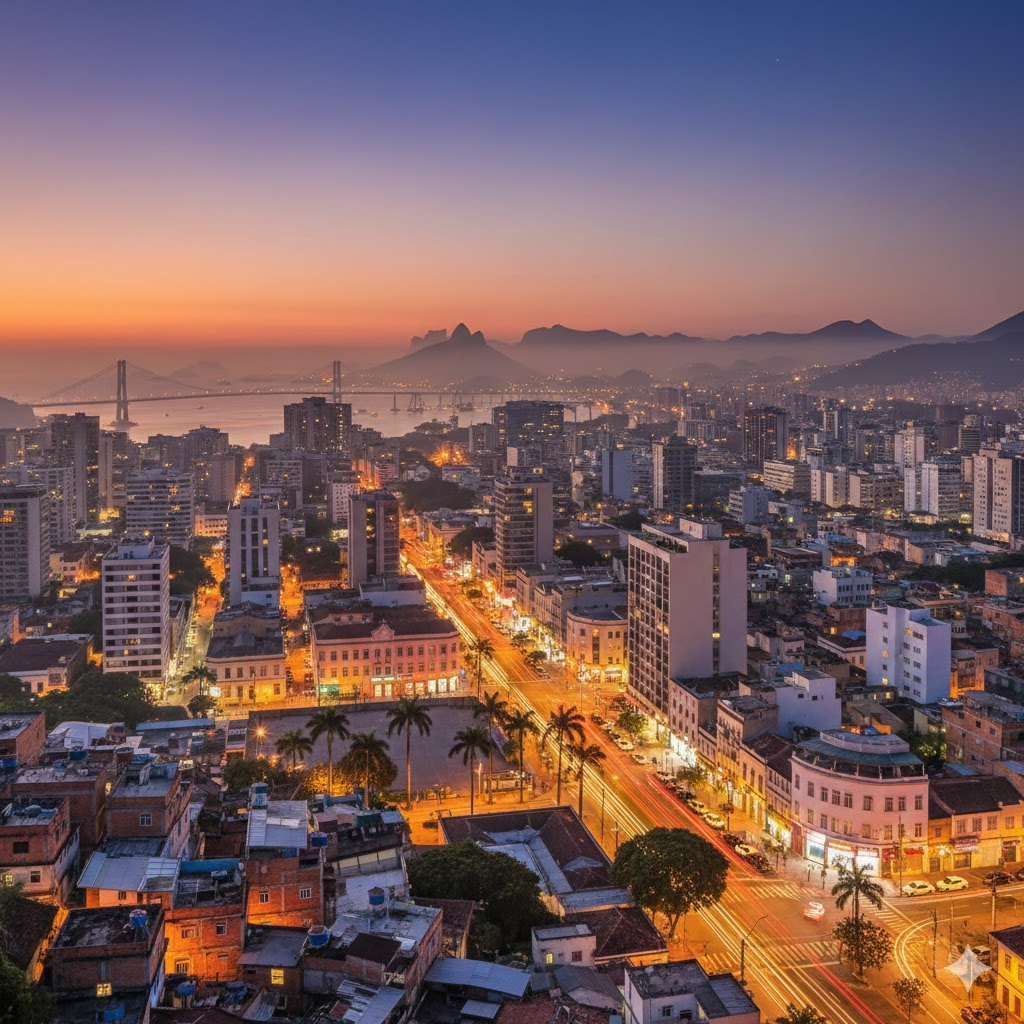
Understanding the difference between município, cidade, and capital is essential to grasp how territorial and political organization works in Brazil. Although these terms are often used interchangeably in everyday language, they have distinct legal, administrative, and symbolic meanings within the Brazilian context. This article explains these differences clearly, focusing on Brazil’s legal framework, historical background,
-
The role of medium-sized cities in Brazil’s regional development
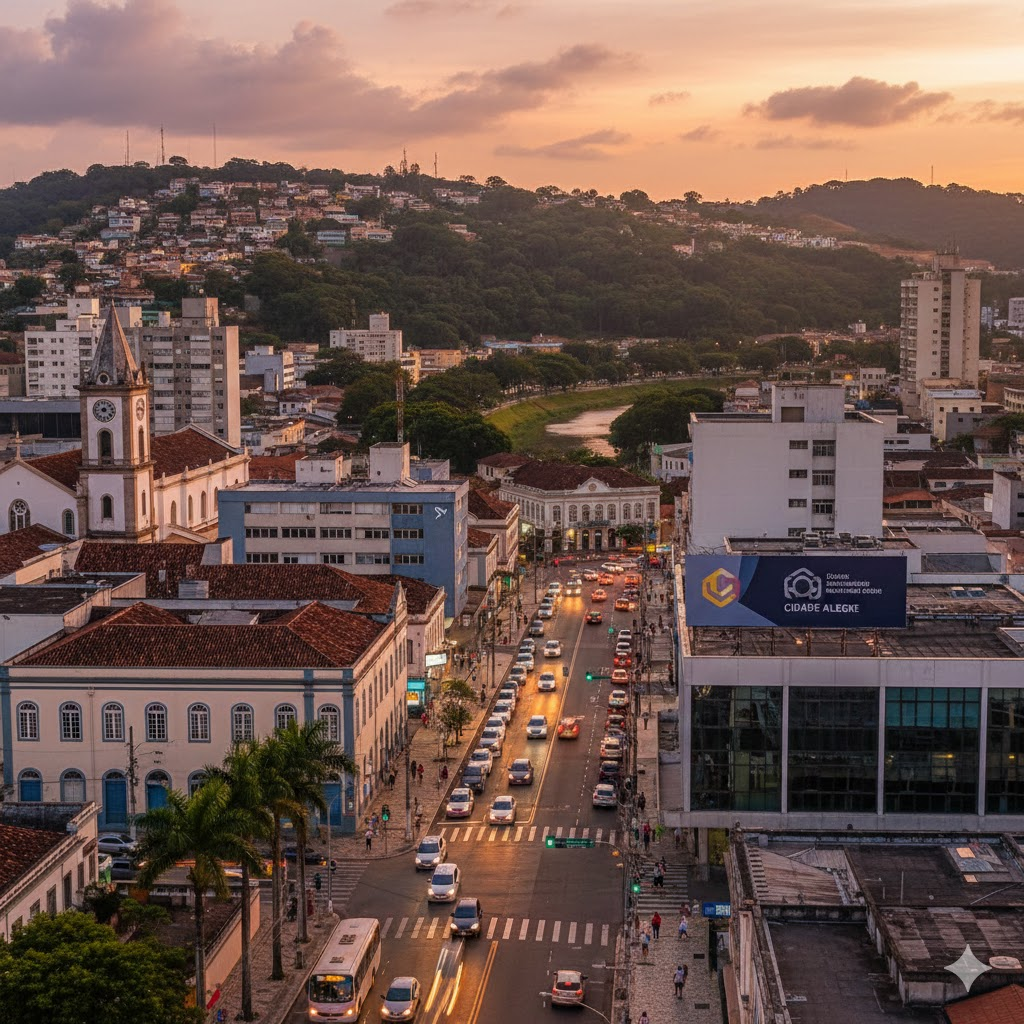
Medium-sized cities play a strategic and often underestimated role in Brazil’s territorial, economic, and social organization. Positioned between large metropolitan areas and small municipalities, these cities act as regional hubs that concentrate services, jobs, infrastructure, and opportunities. Understanding their role is essential to grasp how Brazil develops beyond its major capitals like São Paulo, Rio
-
What defines a city in Brazil? Legal, social and urban criteria explained
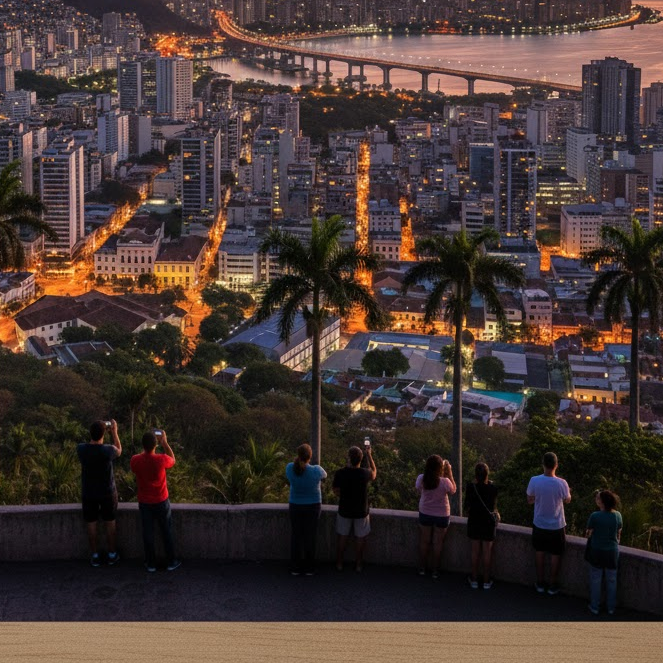
What defines a city in Brazil? This question seems simple, but the answer involves law, history, urban planning, and social dynamics. Unlike some countries where population size alone determines whether a place is considered a city, Brazil uses a unique combination of legal and administrative criteria. Understanding this definition helps clarify how Brazilian cities emerge,
-
São Roque: a complete guide to wine tourism and nature in São Paulo
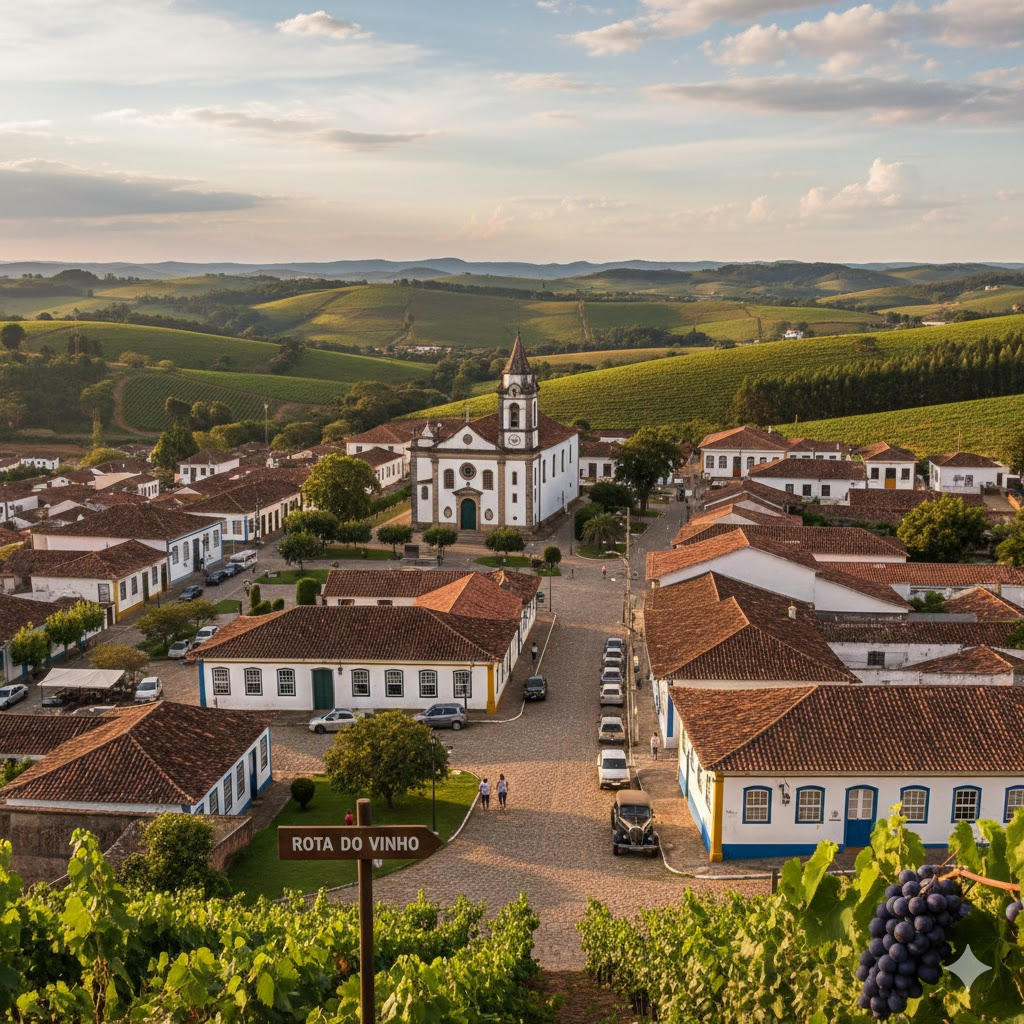
São Roque is a traditional city in the interior of the state of São Paulo, widely known for its wine tourism, mild climate, and strong connection to nature. Located close to the capital, the city has become a popular destination for short trips and weekend getaways. Combining rural landscapes, historical elements, and gastronomic experiences, São
-
Olímpia: a complete guide to the water park capital of São Paulo
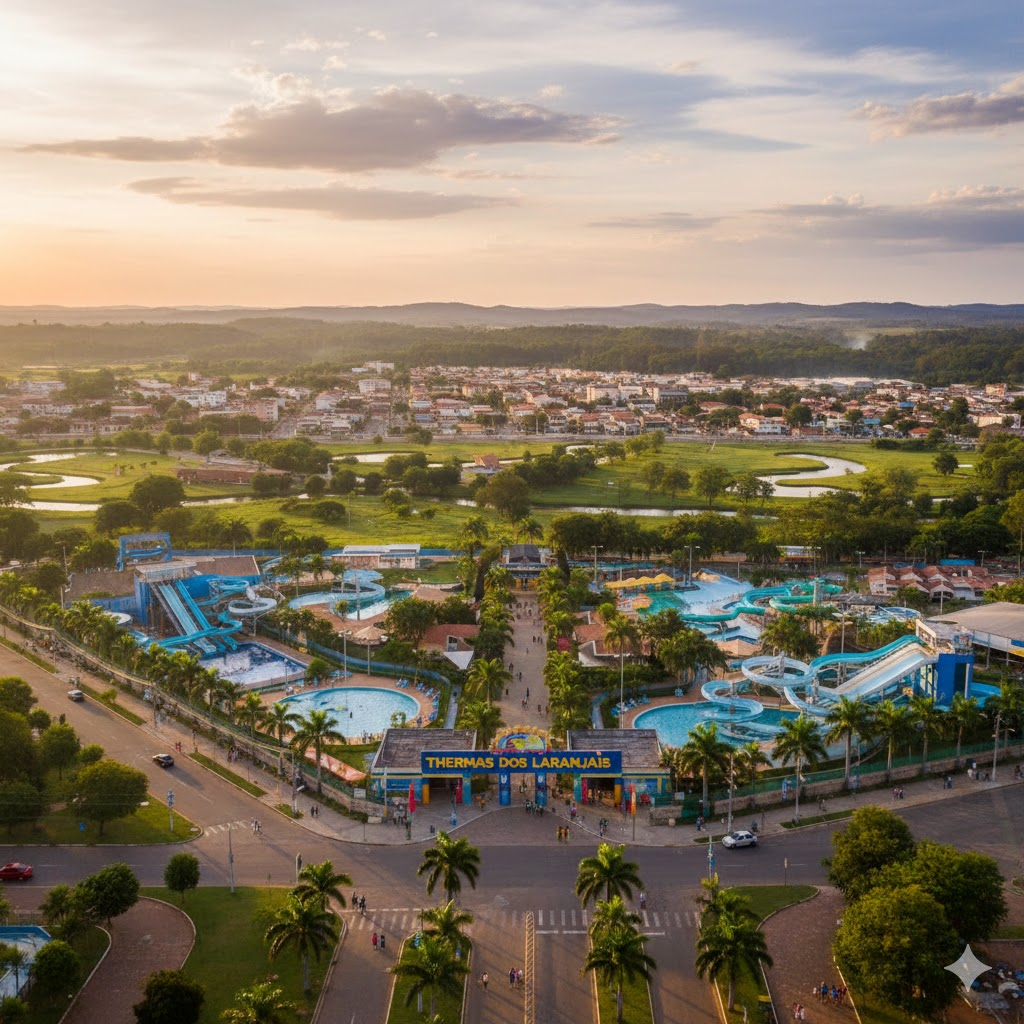
Olímpia is one of the most popular tourist destinations in the interior of the state of São Paulo, especially known for its large water parks and family-friendly atmosphere. Over the years, the city has transformed itself into a major leisure hub, attracting visitors from all regions of Brazil. With a warm climate, modern infrastructure, and
-
Aparecida: a complete guide to Brazil’s main religious destination
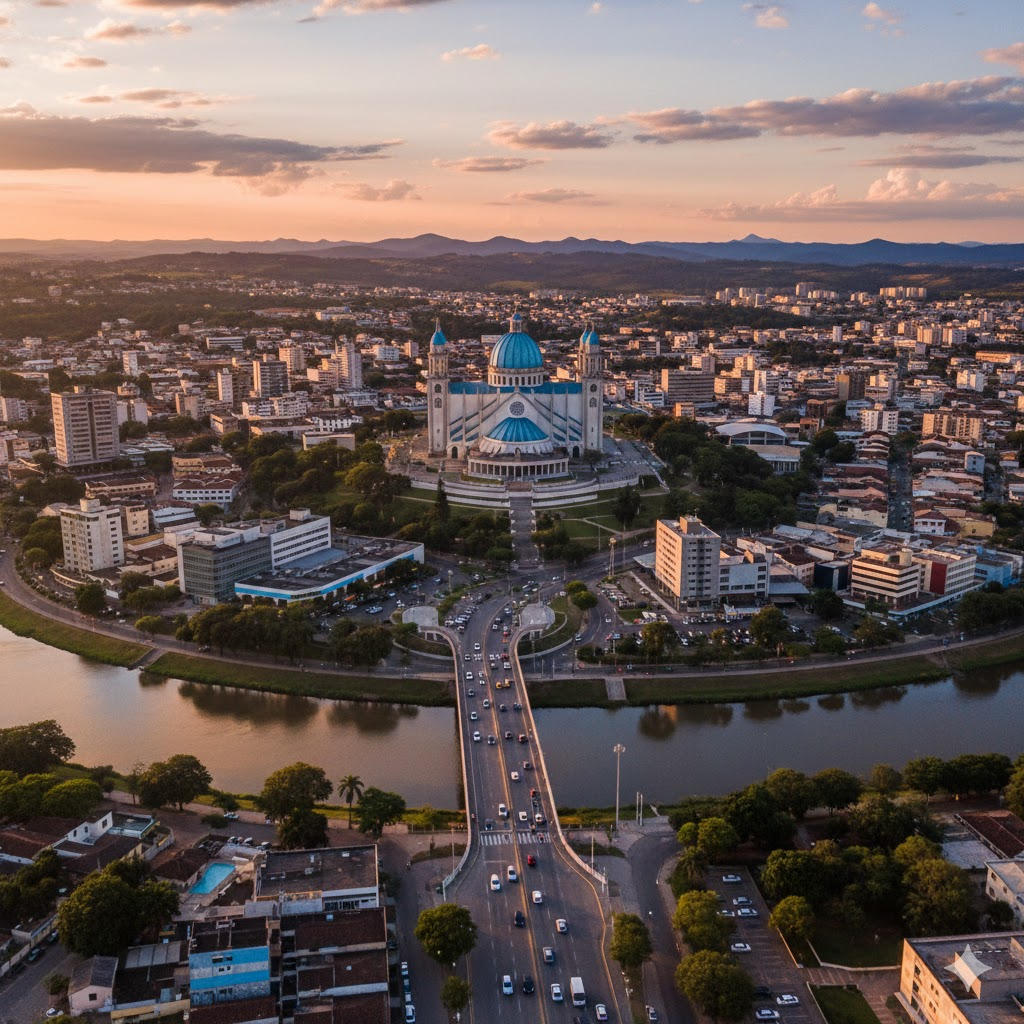
Aparecida is one of the most important religious destinations in Brazil and a central reference point for Catholic pilgrimage in the country. Located in the state of São Paulo, the city is known worldwide for the National Shrine of Our Lady of Aparecida, which attracts millions of visitors every year. Although faith is the main
-
Sorocaba: a complete guide to a growing city in São Paulo
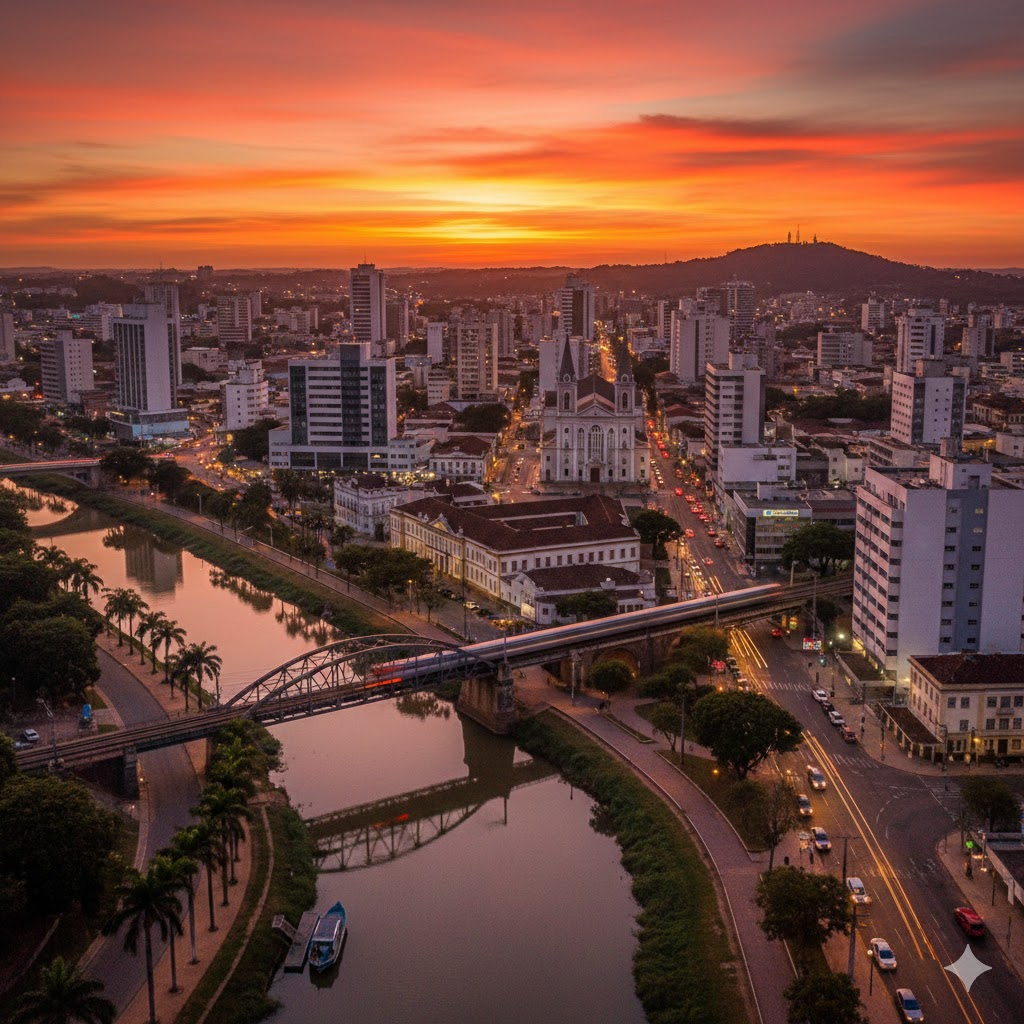
Sorocaba is one of the most important cities in the interior of the state of São Paulo. Known for its industrial strength, organized urban structure, and steady growth, the city has become a reference for quality of life outside major metropolitan centers. With a balanced mix of economic opportunity, services, and green spaces, Sorocaba attracts
-
Jundiaí: a complete guide to a strategic city in São Paulo
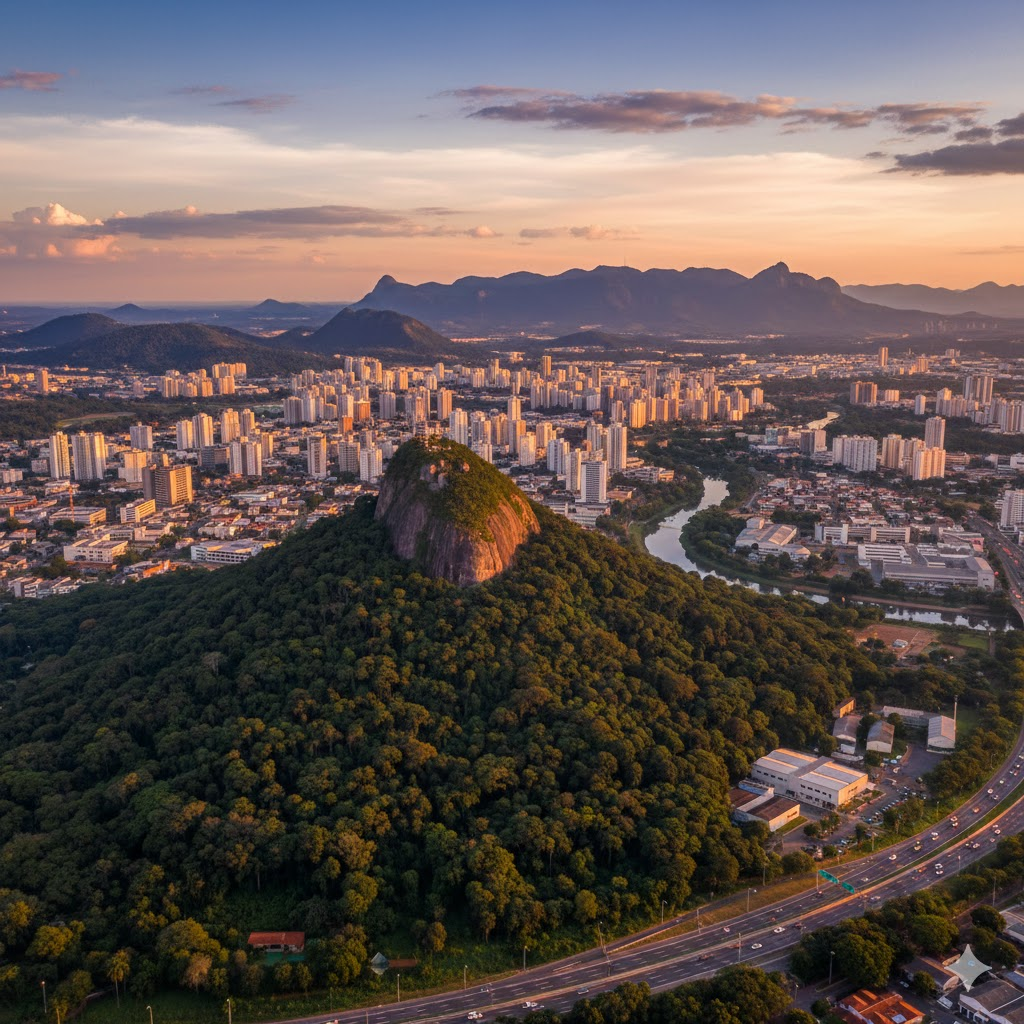
Jundiaí is a strategically located city in the interior of the state of São Paulo, known for its strong economy, good quality of life, and proximity to major urban centers. Positioned between São Paulo – SP and Campinas, the city has become an attractive destination for businesses, residents, and visitors. With a well-developed infrastructure and