
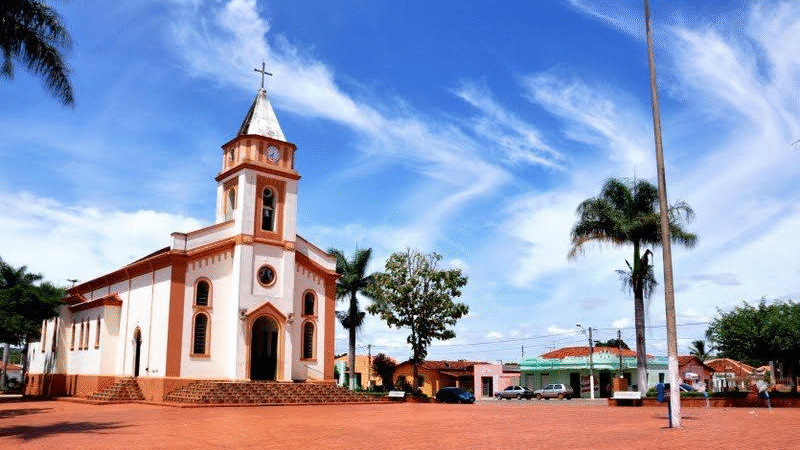
Imagine a small town in the heart of Brazil, a place where the echoes of gold and diamond prospectors still resonate in the quiet streets, and the surrounding landscape is a lush tapestry of the cerrado biome. That place is Abadia dos Dourados, a charming municipality nestled in the Triângulo Mineiro/Alto Paranaíba region of Minas Gerais state. With a population of just over 6,000 residents, it offers a tranquil escape from the bustling metropolises, presenting an authentic slice of Brazilian hinterland life, rich in history, dedicated to agriculture, and dotted with surprising natural beauty. My journey into Abadia dos Dourados wasn’t just a trip; it was a step back in time, a chance to connect with the foundational spirit of Minas Gerais, a state famous for its colonial heritage and mineral wealth.
This town is more than just a pin on a map. Its name, “Abadia dos Dourados,” a beautiful combination of a religious dedication (“Abadia,” referring to Our Lady of Abadia, a revered saint) and its geographic fortune (the nearby Dourados River), hints at the powerful forces that shaped it: faith and the pursuit of riches. Founded by adventurers and miners in the mid-19th century, this small community quickly grew from a simple encampment into a thriving municipality. For anyone seeking a true Brazilian experience, one that goes beyond the famous beaches and large cities, Abadia dos Dourados presents itself as an essential stop. It is a place where you can feel the rhythm of the land and appreciate the genuine warmth of the mineiro people.
The sparkling origins: a history of garimpo and faith
The story of Abadia dos Dourados is inextricably linked to the Brazilian gold and diamond rushes of the 19th century. Like many settlements in Minas Gerais, the town owes its very existence to the glimmer of precious stones found in its rivers. The first settlers, arriving around 1850, were garimpeiros—prospectors who established temporary shelters (ranchos) near the banks of the Dourados River, hoping to strike it rich. The area was initially known simply as Arraial do Garimpo (Village of the Mining Claim), a name that speaks volumes about its rugged, frontier identity.
But the town’s character began to change as the initial frenzy settled, and the community sought something more permanent. The influence of faith soon followed the discovery of material wealth. In 1886, a key turning point occurred with the installation of the local parish, built around a chapel dedicated to Nossa Senhora da Abadia (Our Lady of Abadia). This act of consecration, paired with the proximity of the diamond-rich Dourados River, provided the foundation for the town’s enduring name. From a transient mining camp, it evolved into a settled community, officially becoming a district in 1882 and ultimately achieving municipal status in 1948. This dual heritage—the restless spirit of the prospector and the steadfast devotion of the faithful—is a dynamic tension that defines the historical soul of Abadia dos Dourados. The resilience of the pioneering families, such as the Arruda and Esteves dos Santos, who were instrumental in donating land and organizing the first urban nucleus, remains a source of local pride and a foundational pillar of the community’s narrative.
A cultural identity forged in the cerrado
The culture of Abadia dos Dourados is deeply rooted in the traditions of the cerrado, the vast tropical savanna of Brazil, and the conservative, spiritual essence of Minas Gerais. Life here moves at a pace dictated by the seasons and the agricultural calendar, creating a distinct cultural identity where community ties are strong and tradition is paramount. This connection to the land is evident in the local folklore, the typical cuisine, and the handcrafted goods that remain an important part of the economy.
The rhythm of faith: festivals and celebrations
Religious devotion plays a central role in the town’s social life. The most significant event is undoubtedly the Festa de Nossa Senhora da Abadia, celebrated annually on August 15th. This is not just a local gathering but a regional pilgrimage, attracting devotees from all over the surrounding area. The festival is a vibrant spectacle of faith, featuring solemn masses, processions, and a festive atmosphere complete with traditional food stalls (barraquinhas) and local handicrafts. It’s a powerful demonstration of the collective faith that has sustained the community for generations. Beyond the main patron saint’s day, the annual celebration of the town’s anniversary on December 27th is a time for civic pride and community events, marking the political emancipation and the continued prosperity of the municipality. Additionally, regional cultural events, such as the Festa Em Louvor A Nossa Senhora Do Rosário, often bring the community together in joyous celebration.
Cuisine and craftsmanship: the taste of tradition
Like any city in Minas Gerais, the local cuisine is a celebration of rustic, wholesome flavors. Traditional dishes, often based on corn, beans, and locally sourced meats, reflect the town’s agricultural backbone. The region is known for producing high-quality pinga (cachaça, a sugarcane spirit), artisanal rapaduras (a type of unrefined cane sugar block), and, increasingly, excellent coffee. The agricultural wealth is translated into the culinary experience, offering visitors a genuinely authentic taste of the mineiro table. Furthermore, the local handicrafts, particularly the work of the embroiderers (bordadeiras) and weavers (tecedeiras), are a testament to the community’s skill and patience. These handcrafted items are not merely souvenirs; they are tangible expressions of local artistry and cultural heritage, often inspired by the natural forms and colors of the surrounding cerrado.
The economic landscape: from diamonds to development
While diamonds were the catalyst for its founding, the modern economy of Abadia dos Dourados has pivoted decisively towards agro-industry and agriculture. The fertile lands of the Alto Paranaíba region have proven to be exceptionally suited for cattle ranching and farming, establishing a robust foundation for the town’s continued economic stability.
The strength of the land: agriculture and livestock
The dominant economic activities today are livestock farming and the cultivation of major crops. Cattle ranching is a significant sector, focusing on both milk and meat production. In agriculture, the landscape is shaped by vast fields of soybeans and corn, which are central to the regional economy. The town also has a long history with coffee cultivation, contributing to Minas Gerais’s status as a leading global producer. This dedication to the land has fostered a culture of hard work and resilience among the local population, ensuring that the wealth generated remains closely tied to the natural resources of the area.
Industry and infrastructure
Beyond the farm gate, Abadia dos Dourados has seen the growth of local industries, particularly those related to the processing of agricultural products and raw materials. The ceramics sector, for instance, is a notable part of the local industrial arrangement, with several medium-sized units providing significant employment. The commitment to local services and commerce supports the daily needs of the community and the surrounding rural establishments, creating a self-sufficient and integrated local economy. The municipality’s strategic location, served by major state and federal highways (such as the MG-190 and BR-352), facilitates the distribution of its agricultural and industrial output, connecting it efficiently to the larger markets of the Triângulo Mineiro and beyond.
Tourism: the natural allure of water and cerrado
Abadia dos Dourados is not a destination known for grand historical monuments, but rather for its authentic atmosphere and its beautiful natural setting, making it an ideal location for ecotourism and rural adventures. The main attraction is the transformation of the landscape by the Emborcação Dam.
The emborcação reservoir: a fresh water paradise
The most prominent tourist feature is the vast lake formed by the Emborcação Reservoir on the Paranaíba River. This immense body of water offers a scenic backdrop and a range of leisure opportunities. The reservoir is a magnet for fishing enthusiasts, given its abundant aquatic life, and provides ample space for boat trips, jet skiing, and simply relaxing by the water’s edge. This area, particularly the nearby lagoon, represents an important natural asset for the municipality, drawing in regional visitors looking for a break from the heat and the chance to reconnect with nature. The banks of the Dourados and Paranaíba rivers themselves, where the town’s history first began, offer quieter spots for reflection and appreciation of the local environment.
Exploring the cerrado: a unique biome
The surrounding area is characterized by the cerrado, a biome recognized globally for its extraordinary biodiversity. For travelers interested in environmental tourism, the region offers opportunities to explore this unique ecosystem, which is often described as the most biologically rich savanna in the world. Visitors can appreciate the resilient, twisted trees, the colorful array of flowering plants, and the diverse wildlife that calls this landscape home. While formal tourist infrastructure for ecotourism might be modest, the sheer beauty and ecological significance of the cerrado around Abadia dos Dourados present a compelling draw for the environmentally conscious traveler.
Local leisure and meeting points
Within the town itself, life centers around the main square and local social clubs. Places like the Saara Clube and local bars like Tramp’s Bar serve as essential meeting points, where the community gathers for relaxation and conversation. These spots, alongside traditional dining options such as the Panificadora e Lanchonete Nossa Senhora D’Abadia, offer a taste of the daily life and convivial spirit of the abadiense people. While the town may not boast major hotel chains, local accommodations provide a cozy, personal touch, allowing visitors to feel like guests, not just tourists.
Conclusion: a genuine slice of brazil
Abadia dos Dourados stands as a beautiful testament to the enduring spirit of the Brazilian interior. Its journey from a rough-and-tumble gold-digging encampment to a stable, agriculturally prosperous municipality in the heart of Minas Gerais is a story of transition, faith, and hard work. It is a place where history is alive in the traditions, where the economy is fundamentally rooted in the soil, and where the culture is expressed through heartfelt religious festivals and robust mineiro cuisine.
For the international traveler seeking an experience that transcends the usual tourist trail, Abadia dos Dourados offers a compelling and authentic narrative. It is a destination that promises the tranquil beauty of the cerrado, the vast, refreshing waters of the Emborcação Reservoir, and the chance to witness a Brazilian community whose identity is fiercely independent and deeply traditional. When you visit Abadia dos Dourados, you don’t just see a place; you feel the genuine, diamond-hard soul of Minas Gerais. The small town’s charm lies precisely in its modesty, offering a warm welcome and an unforgettable glimpse into a vital, resilient part of Brazil.