
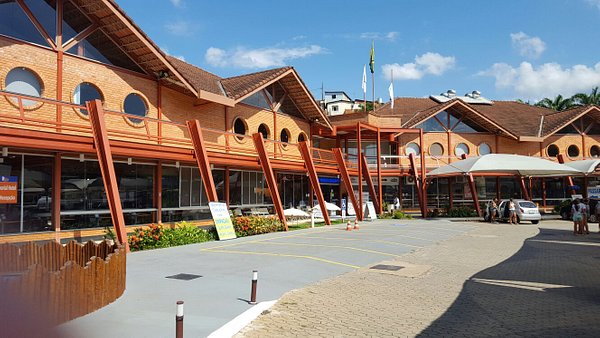
Explore Abre Campo, Minas Gerais, a city defined by its rich history as a bandeirante pioneer settlement. Discover the natural beauty of the Rio Santana, its strong coffee and cachaça production, and cultural spots like the Igreja Matriz de Sant’Ana and the Memorial Cotochés. A perfect stop on the BR-262 highway.
Abre Campo, a historic municipality nestled in the lush Zona da Mata region of Minas Gerais, carries a name that literally means “open field” or “clear the way.” This name is a direct tribute to the city’s foundational story, rooted in the audacious expansion of the bandeirantes—early Portuguese explorers who carved trails into the dense, unexplored Brazilian interior. Local legend holds that a pioneer named Marco, while aggressively clearing the thick forest, shouted “Abre Campo! Abre Campo!” to motivate his companions, thus christening the land.
Today, Abre Campo stands as a vital hub on the BR-262 highway, located approximately 216 km from the state capital, Belo Horizonte. It is a place that harmoniously blends the natural beauty of its mountain-and-valley landscape with a proud agricultural tradition, particularly famed for its coffee, dairy, and artisanal cachaça. By exploring this town, visitors get a taste of authentic mineiro culture, where faith, hard work, and good food define the rhythm of life.
A path carved by history and faith
The territory of Abre Campo has a long history, dating back to 1734 when the first settlements began to appear along the Casca River. The official foundation of the area began in 1755 when the pioneer José do Vale Vieira secured a sesmaria (land grant) from the Portuguese Crown.
From matipó to abre campo
The initial settlement was established under a religious name, Santo Antônio do Matipó, but its eventual renaming reflected the powerful history of its colonial conquest. It evolved into a parish, a village (in 1889), and finally a city (in 1892), becoming an important transit point between Minas Gerais and the coastal regions.
The city’s spiritual life is centered around its patron saint, Sant’Ana. The Paróquia Sant’Ana de Abre Campo, with its historic Igreja Matriz de Sant’Ana, serves as the community’s religious and architectural anchor. These churches and plazas are not merely monuments; they are the living stages for the community’s deep religious and popular traditions.
The mountains and faith circuit
Abre Campo is officially part of the Circuito Turístico Montanhas e Fé (Mountains and Faith Tourist Circuit). This designation underscores the dual appeal of the region: its stunning landscape of mares de morros (sea of hills) and its rich calendar of religious and popular festivals. These events often include elaborate religious celebrations, blending Catholic devotion with popular culture, attracting visitors from across the state and the country.
Economy and gastronomy: the flavors of the land
The economy of Abre Campo is deeply rooted in its fertile soil and favorable climate, making it a powerful agricultural force in the Zona da Mata.
Coffee, dairy, and cachaça
The primary economic drivers are the cafeicultura (coffee growing) and pecuária (cattle ranching), focused on both beef and milk production. The mountainous terrain is ideal for cultivating high-quality coffee, which is a source of regional pride.
However, the city is perhaps best known for its exceptional artisanal cachaça. Abre Campo is home to several traditional alambiques (stills), some operating for over 80 years, that produce nationally recognized cachaças. This tradition places the city as a significant pole for high-quality distilled spirits in Minas Gerais.
This focus on agricultural quality extends directly to local gastronomy. The region’s strong dairy production is celebrated at the Memorial Cotochés, a unique spot located within the Hotel Cotochés complex. Here, visitors can learn about the history of local dairy production and, crucially, enjoy the “Passarela do Queijo” (Cheese Walkway), a gastronomic area featuring local dairy products and typical Mineiro cuisine.
Tourism and natural attractions
Abre Campo offers a variety of attractions for visitors interested in nature, history, and local industry.
The rio santana and water retreats
The Rio Santana is the city’s most important natural feature, cutting through the urban landscape and providing picturesque views and opportunities for leisure. For those seeking adventure, the region is full of options for ecotourism. Hikers and nature lovers frequent the Trilha para a Cachoeira do Salto, a trail that leads to a local waterfall, offering spectacular views of the surrounding hills and biodiversity. The area’s dense remnants of Atlantic Forest are ideal for bird watching and exploring local flora and fauna.
Historic and cultural stops
Beyond the natural scenery, cultural landmarks provide insight into the city’s identity:
- Igreja Matriz de Sant’Ana: The central parish church, a crucial historical and religious monument.
- Memorial Cotochés: A key destination for gastronomic and industrial tourism, celebrating the region’s dairy heritage.
- Represa do Emboque: A local reservoir located outside the city center, known for its scenic beauty and potential for water activities when water levels are high.
Conclusion: the resilience of abre campo
Abre Campo, the city that was forged by the powerful call to “open the field,” continues to embody that pioneering spirit today. It is a city of strong agricultural roots, where the tradition of artisanal cachaça and high-quality dairy production drives its contemporary success.
For the traveler, Abre Campo is a rewarding detour on a journey through Minas Gerais. It offers the chance to engage with a community that honors its religious traditions, enjoys its scenic natural environment along the Rio Santana, and welcomes visitors to sample the authentic, rich flavors of the Zona da Mata. It is a vibrant stop that tells an essential story of resilience and tradition in the heart of the mineiro interior.