
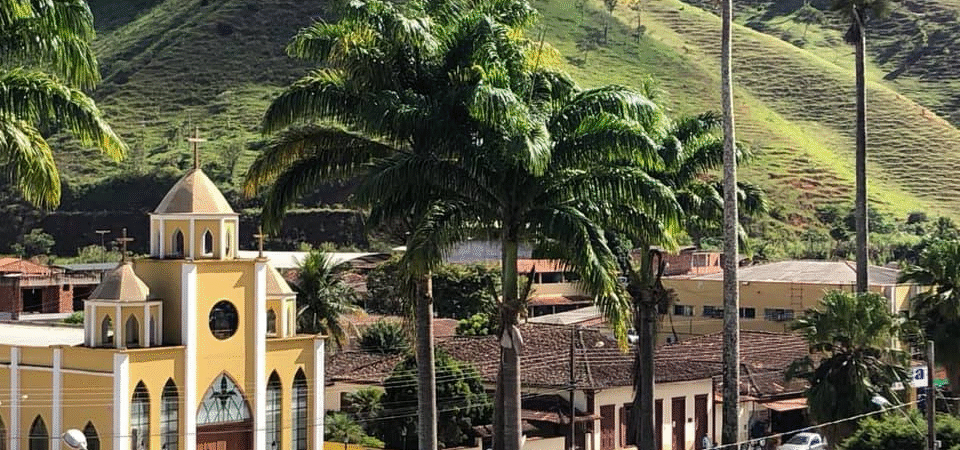
Açucena, meaning “sugar lily” or “tuberose” in Portuguese, is a municipality located in the East of Minas Gerais, situated within the vast and vital Vale do Rio Doce (Sweet River Valley). Positioned approximately 280 km east of the state capital, Belo Horizonte, the city is geographically part of the metropolitan collar of the Vale do Aço (Steel Valley), yet maintains the tranquil, simple charm of a traditional interior town.
The city’s allure lies in its rich natural environment, making it a hub for ecotourism. Surrounded by extensive green areas, rivers, and streams, Açucena offers visitors a peaceful retreat with a surprising depth of culture and industry.
History: from shelter for outlaws to electric power
The earliest history of Açucena is marked by the rough-and-tumble pioneers of the 18th century.
Pioneer settlement and early names
The area that is now Açucena was first settled to serve as a shelter for marginalized individuals, including outlaws and fortune seekers arriving from colonial mining centers like Serro and Itabira. These early inhabitants established rudimentary agriculture, focusing on cassava, corn, and beans, alongside fishing.
The district initially held the name of the nearest river and was later elevated to a municipality. The name Açucena was adopted, transforming the identity of the place from a rough settlement to one named after a delicate flower, a testament to the region’s eventual refinement.
Economic and energy significance
Today, Açucena’s economy is primarily sustained by industry, livestock farming, and mining (particularly salpeter and kaolin, though much remains untapped). Its key modern importance, however, lies in its hydrographic resources. The municipality is bathed by the Santo Antônio and Corrente rivers and is known for hosting the Usina Hidrelétrica de Porto Estrela (Porto Estrela Hydroelectric Plant), a significant energy contributor to the region. This plant, inaugurated in 2001, underscores the city’s role as a major power supplier in the state.
Culture and community: indigenous heritage and festivals
Açucena distinguishes itself culturally through its vibrant traditions and the presence of an indigenous community.
The pataxó people
On the banks of the Rio Corrente, within the Fazenda Brejaúba area, lives the indigenous Pataxó people, specifically in the Aldeia Gerú Tucunã. The Pataxó presence is a source of immense cultural richness, linking the area to the original owners of Terra Brasilis and emphasizing the importance of nature conservation.
The community hosts the annual Festa dos Povos Indígenas (Indigenous Peoples’ Festival), usually held during the week of April 19th. This traditional festival is open to the public and features indigenous dances, games, traditional weddings, lectures, and the sale of handicrafts, symbolizing their cultural resistance and vitality.
Religious and folk traditions
The city maintains a lively calendar of festivals. Notable celebrations include traditional religious jubilees, popular folk dances, and cavalcades. The annual Jubileu de São Geraldo Magela and the Jubileu de Nossa Senhora da Piedade are important religious periods, attracting devotees and featuring traditional barraquinhas (food stalls) and local entertainment.
Tourism: ecotourism and rural charm
Açucena is integrated into the Circuito Turístico Mata Atlântica de Minas (Atlantic Forest of Minas Tourist Circuit), highlighting its ecological potential.
Rivers, mountains, and waterfalls
The municipality’s extensive green area and mountainous terrain make it ideal for ecological tourism and adventure sports.
- Cachoeira da Pinguela: Located in the Córrego da Pinguela area, this waterfall is a popular local spot for swimming, fishing, and camping, providing a tranquil setting amid the mountains.
- Pico do Parque Municipal Córrego Alto: The highest point in the municipal park, offering panoramic views of the region’s dense vegetation and the surrounding mares de morros (sea of hills).
- The rio corrente: The river that flows through the region, providing beautiful landscapes and supporting the local ecosystem, including the Pataxó territory.
Local gastronomy and products
The city is also known for its strong agricultural focus, particularly in livestock. This feeds a rich local gastronomy based on fresh products and traditional mineira cooking. Visitors can find local delicacies like rapadura (unrefined cane sugar), made from high-quality sugar cane, and other simple, wholesome treats. Local restaurants like Bistrô Luz de Lamparina serve traditional dishes that capture the unpretentious and flavorful spirit of the Vale do Rio Doce.
Conclusion: the resilience of the valley
Açucena, with its delicate name, masks a history of resilience and a powerful role in the regional economy, particularly in energy production and agriculture. It is a city of contrasts: where the simplicity of rural life meets the magnitude of a hydroelectric plant, and where the traditions of the Pataxó people coexist with modern mineiro culture.
For those looking to explore the ecological side of Minas Gerais, Açucena offers an authentic experience. From the refreshing pools of the Cachoeira da Pinguela to the vibrant culture of the indigenous festival, it is a quiet, yet deeply rooted, destination in the green heart of the Vale do Rio Doce.