
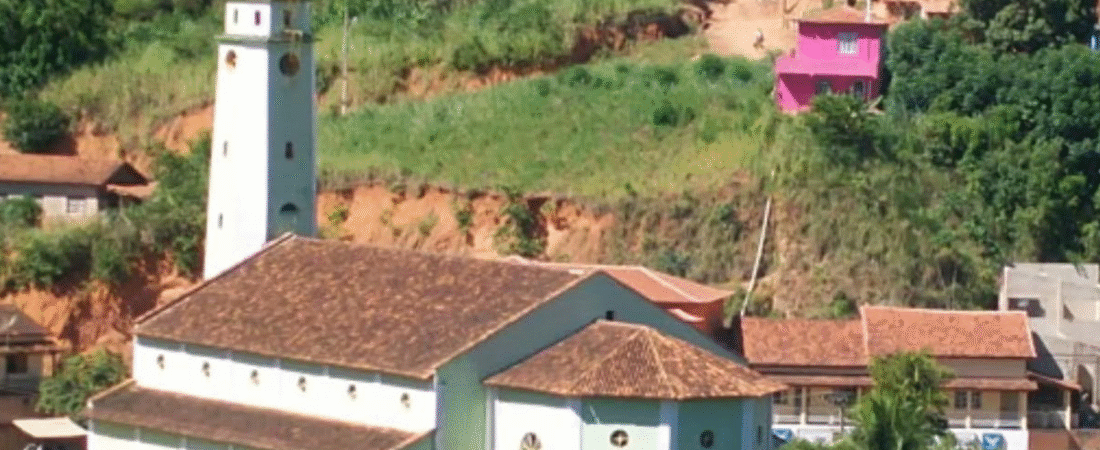
Explore Água Boa, Minas Gerais, a municipality within the Circuito Turístico Pedras Preciosas, known for its stunning preserved nature and ecological attractions. Discover the beautiful Cachoeira da Fumaça, the historic Neogothic Church, and the traditional Festa do Aguaboense Ausente.
Água Boa, a municipality located in the Northeast of Minas Gerais, carries a name that perfectly describes its greatest natural wealth: “good water.” Situated in a region historically traversed by explorers and near the Jequitinhonha Valley, the city is a destination that promises beautiful landscapes and a tranquil, welcoming atmosphere.
The city is integrated into the Circuito Turístico Pedras Preciosas (Precious Stones Tourist Circuit), a region renowned for its mineral wealth and the stunning, preserved nature that characterizes the interior of Minas Gerais. Visitors to Água Boa can expect to find a blend of strong rural traditions, deep religious faith, and ecological gems like spectacular waterfalls.
History: from aranã indians to emancipation
The early history of Água Boa is closely linked to its abundant water resources and the presence of indigenous communities.
Pioneers and indigenous presence
The region was originally inhabited by the Aranãs indigenous people. Around 1832, pioneering families, notably Geraldo Luiz, Tomás Luiz, and Sebastião Luís Pego, settled on the banks of the Surbi River. Tomás Pego, in particular, managed to establish coexistence with the remaining Aranãs, leading to the construction of an early chapel near the Ribeirão Santo Antônio around 1835. This early settlement, named Água Boa, was formalized as a district in 1877.
Administrative journey
Over the next few decades, Água Boa was administratively linked to the municipalities of Minas Novas and Capelinha. It was finally elevated to the category of a municipality on December 12, 1953. This achievement marked the beginning of its independent development, solidifying its place in the history of the region. Today, the municipality includes the district of Palmeira de Resplendor, maintaining its focus on agriculture and natural preservation.
Attractions: neogothic style and natural waterfalls
The tourist appeal of Água Boa is dual, combining historical architecture with its lush natural surroundings.
The neogothic matrix church
At the heart of the city stands the Igreja Matriz, a significant architectural landmark built in a distinctive Neogothic Style. Its unique design makes it a central focal point in the urban area, representing the deep-seated faith and history of the community.
Faith and tradition
Religious faith is also visibly expressed through historical markers like the Cruzeiro da Capela São José (Crucifix of the Saint Joseph Chapel). This ancient crucifix, originally constructed of braúna wood, is a historical and religious symbol where the community once gathered for penitence, carrying stones and water up the hill—a powerful reflection of their deep connection to the land and the need for water.
Ecological treasures
The region’s ecological attractions are its biggest draw:
- Cachoeira da Fumaça: Located about 28 km from the city center, this stunning waterfall is a highlight for ecotourism. It features a large volume of water year-round and offers a great natural pool for swimming. It’s an ideal spot for leisure, swimming, and nature photography.
- Preserved nature: Água Boa’s location within the Precious Stones Circuit guarantees access to preserved nature, perfect for hiking and exploring the rich flora and fauna of the mineiro interior.
Economy and culture: agriculture and homecoming
Água Boa’s economy is fundamentally agrarian, focusing primarily on the cultivation of cereal crops, especially corn, and pecuária (livestock production). The favorable soil conditions support extensive free-range cattle farming, providing a solid base for the city’s development.
Gastronomy and local products
The agricultural output ensures a rich local gastronomy. Visitors can enjoy typical mineira food at local bars and restaurants like Prosa Mineira and Cantinho Mineiro, which serve up regional delicacies and fresh products.
Events that call for return
One of the most characteristic events in the city’s cultural calendar is the Festa do Aguaboense Ausente (Festival of the Absent Aguaboense), traditionally held in July. This celebration is a powerful expression of community, encouraging residents who have moved away to return home to reconnect with family, friends, and the traditions of their birthplace. The festival, alongside the Festa do Divino (Feast of the Divine) in May and various Festas Juninas (June Festivals), highlights the city’s warm, celebratory spirit.
Conclusion: come home to the good water
Água Boa is more than just a stopping point on the map; it is a community that cherishes its origins, from the Aranã indigenous legacy to the pioneering families that first sought its “good water.” It offers a perfect blend of rural tranquility and natural beauty, embodied by the impressive Cachoeira da Fumaça and the historic grace of its Neogothic Church.
For those traversing the Circuito Turístico Pedras Preciosas, Água Boa provides an authentic and refreshing stop—a place where the past is honored, the nature is preserved, and the welcome is always warm, particularly during the festive return of its “absent sons and daughters.”