
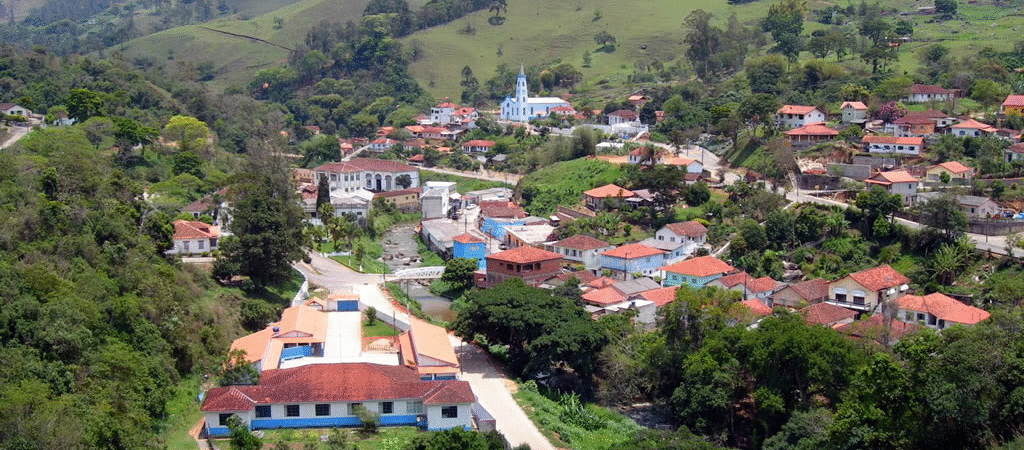
Discover Águas Vermelhas, a small, peaceful city in the Alto Rio Pardo region of Northern Minas Gerais. Learn about its origin on the Rio Mosquito, its strong economy based on cattle raising and farming, and its natural attractions like the Reserva Ecológica Serra do Anastácio and the Barragem da Samambaia.
Águas Vermelhas, which translates to “red waters,” is a quiet and small municipality located in the Alto Rio Pardo area, within the mesoregion of Jequitinhonha in northern Minas Gerais. The city’s name is not due to pollution, but to the natural color of the stream that runs through the area, caused by the high concentration of iron oxide (ferruginous color) or the decomposition of organic matter in the soil.
The city is situated at an elevation of about 758 meters and is strategically located near the border with the state of Bahia, serving as a peaceful gateway to the region.
History: a cattle corral on the mosquito river
The foundation of Águas Vermelhas is linked to the colonization of the northeastern region of Minas Gerais by settlers and gold prospectors.
The starting point
The town originated from a simple curral (cattle corral) established on the banks of the Rio Mosquito by expeditions exploring the area in search of gold and new lands. This cattle-raising outpost eventually grew into a settlement.
Elevation to municipality
The settlement, initially known as Água Vermelha, was elevated to the status of a district of Rio Pardo in 1863. The definitive emancipation of the municipality of Águas Vermelhas took place much later, through state law on December 30, 1962.
Cultural and religious life
The city maintains a strong connection to its faith, with the Igreja Matriz de São Sebastião (Saint Sebastian Parish Church) being a central architectural and religious landmark. Culturally, the city promotes events that showcase local customs and traditions, such as the Festival de Inverno (winter festival), which typically features folk dances (quadrilha), musical groups (fanfarra), horse parades (cavalgada), games (gincanas), and local cuisine.
Economy: the strength of the countryside
The economy of Águas Vermelhas is predominantly based on the rural sector.
Main activities
The main economic activities are pecuária (cattle raising) and agricultura (farming). The region produces various crops, with a focus on:
- Cattle and dairy production
- Coffee
- Bananas
- Sugarcane
- Beans, manioc, and corn
The municipality is part of the microrregion of Salinas, an area famous for its cachaça, though Águas Vermelhas focuses more on traditional agriculture and livestock.
Tourism and natural attractions
The small size of the city is compensated by the natural beauty of the surrounding area, offering opportunities for ecotourism.
Protected natural area
- Reserva Ecológica Serra do Anastácio: This ecological reserve, located on the border with the municipality of Taiobeiras, is a significant natural attraction. It preserves native vegetation, is home to a diversity of birds and wildlife, and features crystal-clear water springs.
Water resources
- Barragem da Samambaia (samambaia dam): This dam is a point of interest, especially during the rainy season when the water overflows through its unique overflow structure (tulipa), offering a captivating sight for visitors.
- Rio Mosquito: The river that was instrumental in the city’s foundation remains a natural resource for the community.
Águas Vermelhas is a tranquil retreat in the northern part of Minas Gerais, a place where the history of exploration meets the serenity of a quiet countryside life, offering a genuine experience of the sertão mineiro (Minas Gerais hinterland).