
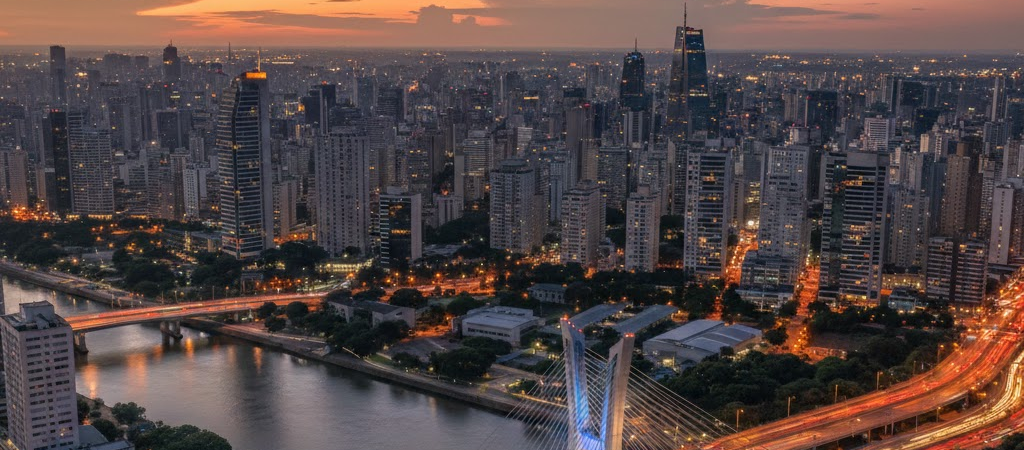
São Paulo is the largest city in Brazil and one of the biggest metropolitan areas in the world. Often seen as intense and fast-paced, the city rewards visitors who look beyond first impressions. São Paulo is a place where cultures mix, trends are born, and everyday life happens on a grand scale. From world-class restaurants to vibrant street art, the city offers experiences that go far beyond traditional tourism.
Whether you are visiting for business, leisure, or a longer stay, São Paulo – SP is a city that grows on you. Its diversity, creativity, and constant movement make it a fascinating destination for travelers who enjoy big cities with personality.
Where São Paulo is located
São Paulo capital is located in southeastern Brazil and is the capital of the state of São Paulo. It sits about 70 kilometers from the Atlantic coast, connected to beach cities by modern highways. The city is a major hub for domestic and international flights, making it one of the main entry points into Brazil.
Because of its size, São Paulo is divided into many regions and neighborhoods, each with its own identity. Understanding this geography helps visitors plan their stay more efficiently and avoid long travel times.
A city built by diversity
One of the defining characteristics of São Paulo is its cultural diversity. The city was shaped by waves of immigrants from Italy, Japan, Portugal, Lebanon, and many other countries. Today, it is home to the largest Japanese community outside Japan and strong influences from Europe, the Middle East, and other parts of Latin America.
This diversity is visible in everyday life, from food and architecture to festivals and traditions. Walking through different neighborhoods often feels like visiting several cities in one.
What to see and do in São Paulo
São Paulo does not rely on a single iconic landmark. Instead, its appeal comes from a wide range of attractions spread across the city.
Cultural institutions like MASP (São Paulo Museum of Art) and Pinacoteca offer internationally recognized collections. Parque Ibirapuera provides green space, museums, and cultural centers in the heart of the city. Neighborhoods such as Vila Madalena are known for street art, nightlife, and creative energy, while Avenida Paulista concentrates culture, shopping, and business in one of the city’s most famous avenues.
For those who enjoy urban experiences, simply exploring cafés, bookstores, and local markets can be as rewarding as visiting major attractions.
Food and gastronomy scene
São Paulo is widely considered the gastronomic capital of Brazil. The city offers everything from affordable street food to fine dining restaurants ranked among the best in the world. Italian cantinas, Japanese sushi bars, Middle Eastern bakeries, and modern Brazilian cuisine coexist side by side.
Trying pizza in São Paulo is almost mandatory, as the city has developed its own strong pizza culture. Food markets like Mercado Municipal are also popular stops, combining local products with traditional dishes.
Getting around the city
Transportation in São Paulo can be challenging due to traffic, but there are several efficient options. The subway system covers many key areas and is often the fastest way to move around. Buses, ride-hailing apps, and taxis are widely available.
Because distances can be large, choosing accommodation close to your main points of interest is important. Planning routes in advance helps save time and reduces stress during your stay.
Best time to visit São Paulo
São Paulo can be visited year-round. The weather is generally mild, with warmer and wetter months between October and March. Winter months, from June to August, are cooler and drier, which many visitors find more comfortable for walking and sightseeing.
Major events, concerts, and cultural festivals happen throughout the year, so checking the calendar before traveling can enhance your experience.
Practical tips for visitors
When visiting São Paulo, it is helpful to be prepared for a big-city environment. Staying aware of your surroundings, using common sense with personal belongings, and following local advice go a long way.
Learning a few basic phrases in Portuguese can improve interactions, as English is not widely spoken outside tourist and business areas. Comfortable shoes are also essential, as exploring the city often involves a lot of walking.
São Paulo is a city of contrasts, energy, and endless possibilities. It may not fit the classic image of a tourist destination, but it offers rich cultural experiences, outstanding food, and a vibrant urban lifestyle. For travelers willing to explore beyond the surface, São Paulo reveals itself as one of the most interesting and dynamic cities in Brazil.